
California Notary ID Rules: California Notary Identification Requirements Demystified
When you need a notary in California, one of the most important steps is verifying the identity of the person signing the document. I have worked with many clients who find this part confusing. That is why I want to share clear and practical information about California notary ID rules. Understanding these rules helps you prepare the right identification and avoid delays.
Understanding California Notary ID Rules
California has specific rules about what counts as acceptable identification for notarizations. The goal is to prevent fraud and ensure the signer is who they say they are. As a notary, I must follow these rules strictly.
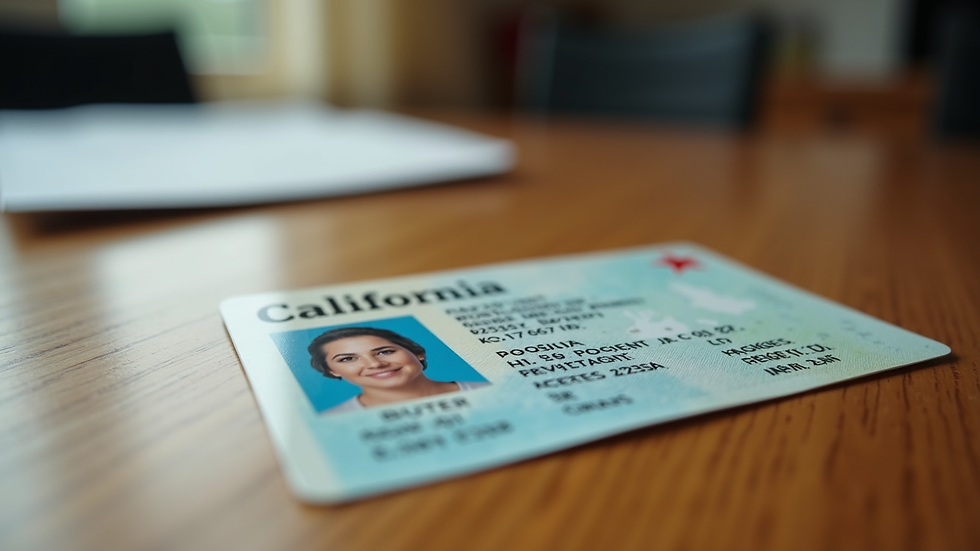
The most common form of ID is a government-issued photo identification. This includes:
Driver’s license issued by any US state or territory
State identification card
Passport from the United States or a foreign country
Military identification card
The ID must be current or have expired no more than five years ago. It must also include a photograph, a description of the person, their signature, and a serial or identification number.
If the signer does not have one of these IDs, California law allows other forms of identification, but they must be credible and satisfactory to me as the notary. For example, a credible witness who personally knows the signer can sometimes be used.
How to Prepare for Your Notarization Appointment
To make your notarization smooth, bring the right ID. I always advise clients to check their ID before the appointment. Here are some tips:
Bring a valid government-issued photo ID. This is the easiest and most accepted form.
Check the expiration date. If your ID expired more than five years ago, it may not be accepted.
Avoid using credit cards or employee badges. These are not valid forms of ID for notarization.
If you don’t have a valid ID, contact the notary ahead of time. We can discuss alternative options like credible witnesses.
By preparing ahead, you save time and avoid frustration.
What Happens If You Don’t Have Proper ID?
Sometimes, people come to me without the right identification. California law allows me to refuse notarization if I cannot verify the signer’s identity. This protects everyone involved.
If you do not have acceptable ID, here are some options:
Use a credible witness who personally knows you and can swear to your identity.
Obtain a valid ID before the appointment.
Reschedule the notarization until you have proper identification.
I always explain these options clearly so clients understand their choices.

The Role of Credible Witnesses in California Notarizations
A credible witness is someone who personally knows the signer and is willing to swear to their identity. This person must have valid ID themselves. I must also personally know the credible witness or have satisfactory evidence of their identity.
Using a credible witness is less common but important when the signer lacks proper ID. Here is how it works:
The credible witness presents their own valid ID.
The credible witness swears an oath before me.
The credible witness confirms the identity of the signer.
I record the credible witness’s information in my notary journal.
This process helps maintain security while allowing notarizations to proceed when ID is missing.
Why Following California Notary ID Rules Matters
Following these rules is not just about compliance. It protects you and everyone involved in the transaction. Proper identification helps prevent fraud, forgery, and legal disputes.
I take my role seriously and always verify IDs carefully. If you want to learn more about the specific notary identification requirements california, the Secretary of State’s website is a great resource.
By understanding and respecting these rules, you can trust that your notarized documents are valid and secure.
Tips for Choosing a Mobile Notary for Your Needs
If you need a mobile notary, consider these tips to ensure a smooth experience:
Confirm the notary is commissioned in California.
Ask if they are familiar with California notary ID rules.
Check if they offer flexible scheduling and mobile services.
Verify their fees upfront.
Read reviews or ask for references.
I strive to be a trusted resource by offering reliable, affordable, and convenient mobile notary services. My goal is to simplify the process for you.
Final Thoughts on California Notary Identification
Navigating California notary ID rules does not have to be complicated. With the right information and preparation, you can complete your notarization quickly and confidently.
Remember to bring valid government-issued photo ID or arrange for a credible witness if needed. If you have questions, don’t hesitate to ask your notary ahead of time.
I hope this guide helps you understand the essentials of California notary identification requirements. When you are ready, I am here to assist with your mobile notary and document preparation needs.
Thank you for trusting me to help you through this important process.


Comments