
Understanding the Role of a Legal Document Assistant in California
Updated: Sep 7
What a Legal Document Assistant does in California
A California Legal Document Assistant provides self-help legal document services to people who are representing themselves. The key phrase is at the client’s direction. The client chooses the type of matter or form they want, and the LDA helps prepare the paperwork based on the information the client provides.
An LDA may assist with tasks such as:
Typing and preparing legal forms
Organizing filing packets
Providing published legal forms
Explaining general filing procedures
Helping gather required supporting documents
Filing documents with the court or recording office when allowed
Serving documents or arranging service through the proper process
Preparing copies for parties, courts, and records
The exact services vary by provider and by the type of matter. A careful LDA will explain what they can and cannot do before work begins.
In California, LDAs are not the same as attorneys. They do not give legal advice, appear in court for clients, or make strategic decisions. They also should not select legal options for a client. For example, an LDA can help complete paperwork for an uncontested divorce if the client provides the needed information. The LDA cannot advise whether divorce, legal separation, or annulment is the best choice.
That boundary protects the public. It also helps clients understand when they need a lawyer. If a matter involves conflict, unclear rights, high-value property, contested custody, complex debt, or a pending deadline, legal advice from an attorney may be the safer route.
Common services offered by California LDAs
Legal document assistants often help with everyday legal paperwork that people commonly handle on their own. These matters still require accuracy, patience, and attention to detail.
Family Law Document Preparation
Family law paperwork is one of the most common reasons people seek LDA help. California court forms are designed for self-represented parties, but the packets can be long and repetitive. Supporting schedules, disclosures, and local court requirements can also be easy to miss.
An LDA may help prepare documents for:
Divorce or legal separation
Uncontested divorce packets
Child custody and visitation forms
Child support paperwork
Spousal support forms
Requests for order
Marital settlement agreements when the client provides the terms
Domestic partnership dissolution documents
The LDA’s role is to put the client’s information into the right forms and prepare the packet for filing. If the client needs help deciding what terms to request, how to divide property, or how to respond to a contested issue, that calls for legal advice.
Estate Planning Document Support
Many Californians want basic estate planning documents in place but do not know where to begin with the paperwork. An LDA may help prepare documents when the client knows what they want and provides the required information.
Common examples include:
Wills
Trust-related documents when appropriate for document preparation support
Powers of attorney
Advance health care directives
Deeds connected to a chosen estate plan
Nomination of guardian forms
Estate planning can have lasting consequences. A person with blended family issues, significant assets, tax concerns, real estate in multiple states, or questions about capacity should speak with an attorney. Still, for straightforward document preparation, an LDA can help turn scattered notes into organized paperwork ready for review, signing, and storage.
Probate and Small Estate Paperwork
Probate documents can be detailed and time-sensitive. California also has procedures for smaller estates that may not require full probate, depending on the situation and current law. An LDA can help prepare documents that the client selects and provide general procedural information.
This can include:
Probate petition forms
Notices and filing packets
Small estate affidavits
Spousal property petition documents
Supporting attachments based on client-provided information
Because probate deals with property rights, heirs, creditors, and court oversight, the line between document preparation and legal advice can appear quickly. A good LDA will stay within their role and recommend attorney guidance when the matter becomes contested or unclear.

Real Estate and Deed Document Assistance
Real estate documents require precision. A small error in a legal description, owner name, or recording detail can create problems later. LDAs may assist with certain deed and real property forms when the client has already decided what document they need.
Common examples include:
Grant deeds
Quitclaim deeds
Interspousal transfer deeds
Affidavits related to real property
Preliminary change of ownership reports
Recording preparation
An LDA should not advise whether transferring property is wise, whether a deed affects taxes, or how a transfer may affect ownership rights. Those questions belong with an attorney, tax professional, or financial advisor. But once the client has the needed direction, an LDA can help prepare a clean document packet for signing and recording.
Business and Civil Document Preparation
Some LDAs also assist with basic business and civil paperwork. This may include:
Name change petitions
Small claims forms
Civil forms selected by the client
Unlawful detainer paperwork where allowed and appropriate
Business formation documents based on client direction
Fictitious business name forms
Demand letters when the client provides the content
Again, the value is practical. The LDA helps complete the forms, assemble attachments, and reduce avoidable mistakes. The client remains responsible for the legal choices.
Why the LDA Role is Different from a Paralegal or Attorney
The title matters. In California, a paralegal generally works under attorney supervision. A paralegal does not independently provide legal services directly to the public.
An LDA, by contrast, may provide legal document preparation services directly to consumers, but only within strict limits. LDAs are typically required to register in the county where they work and maintain a bond. They must also make clear that they are not attorneys.
This distinction helps set expectations.
An attorney can:
Give legal advice
Represent a client in court
Analyze legal risks
Negotiate on behalf of a client
Create legal strategy
Interpret how the law applies to specific facts
An LDA can:
Prepare documents at the client’s direction
Provide general published information
Help complete forms
Organize filing packets
Assist with filing and procedural steps
Provide cost-effective support for self-represented people
Both roles can be valuable. They simply solve different problems. A complex or contested legal matter needs legal counsel. A routine document preparation task may be a good fit for an LDA.
The Extra Value of an LDA Who is Also a Notary
Many legal documents need notarization. That can create a separate errand at the exact moment the client wants the paperwork finished. An LDA who is also a commissioned notary public can reduce that friction.
A notary public does not validate the truth of the document. The notary verifies identity, checks willingness and awareness, completes the correct notarial certificate, and records the notarization as required. Depending on the document, the notarial act may be an acknowledgment, jurat, oath, or affirmation.
When the same professional prepares the document packet and performs the notarization, several problems become easier to avoid.
Fewer Gaps Between Preparation and Signing
Legal documents often fail because the signing process was not handled correctly. A name may not match the identification. A certificate may be missing. A signature line may be skipped. The signer may bring the wrong document version to the notary.
An LDA-notary can help keep the packet together from preparation to signing. The client still makes all legal decisions, but the administrative path is clearer.
Better Timing for Urgent Paperwork
Some documents need prompt signing before filing, mailing, recording, or serving. Coordinating with a separate notary can add delays. A Legal Document Assistant who also offers notary services can often build the signing step into the same appointment or schedule it around the document deadline.
This is especially helpful for:
Powers of attorney
Real estate deeds
Advance health care directives
Estate planning documents
Court documents requiring sworn statements
Affidavits and declarations
One Point of Contact for the Paperwork
When multiple providers handle one packet, communication can break down. The preparer may assume the notary will catch a missing certificate. The notary may assume the preparer already checked the signature pages. The client may not know what the county recorder or court clerk needs.
With one qualified LDA-notary, there is a single point of contact for document preparation and the notarial act. That can make the process more efficient and less confusing.

Why Mobile Service Matters
A mobile LDA brings services to the client’s location. That may be a home, hospital, care facility, coffee shop, courthouse area, or other agreed public place. For many people, mobility is more than a convenience. It is the difference between finishing the paperwork and putting it off again.
Mobile service is especially useful when:
A signer has limited mobility
A parent cannot easily leave home
A person is in a hospital or care facility
Multiple signers need to meet in one place
Work hours make daytime errands difficult
A filing deadline is close
The signer needs privacy and time to review the packet
California is large, and even a short legal errand can take half a day when traffic, parking, and waiting rooms are involved. A mobile notary LDA reduces the number of trips and helps keep the process organized.
The convenience also supports better decision-making. Rushed signing is risky. When the appointment happens in a comfortable setting, the client can review names, dates, attachments, and identification without the pressure of a line forming behind them.
What to Expect When Working with a Mobile Notary LDA
A good process should feel organized from the first call. While each provider works differently, many appointments follow a similar pattern.
The Intake Starts with the Client’s Goal
The LDA will ask what document or packet the client wants prepared. Because the LDA cannot choose the legal path, the client may need to identify the matter clearly. For example, the client might say, “I need help preparing an uncontested divorce packet,” or “I need a grant deed prepared after speaking with my attorney.”
The LDA may ask for basic facts needed to complete the forms. This can include names, addresses, case numbers, property information, dates, and supporting documents.
The Scope and Limits Should Be Clear
Before the work begins, the LDA should explain their role. This includes what they can prepare, what they cannot advise on, fees, timing, and whether filing, service, or notarization is included.
Clear boundaries are a sign of professionalism. Be cautious if anyone who is not an attorney promises a legal result or tells you exactly what you should choose in a disputed matter.
The Document Packet is Prepared for Review
After gathering information, the LDA prepares the forms or documents. The client should review everything carefully. Names, spellings, dates, addresses, legal descriptions, and case numbers all matter.
If the client spots an error, the LDA can correct the document before signing or filing. If the client has a legal question, the LDA should direct the client to an attorney or other proper source.
The Notary Appointment Confirms Identity and Signing Requirements
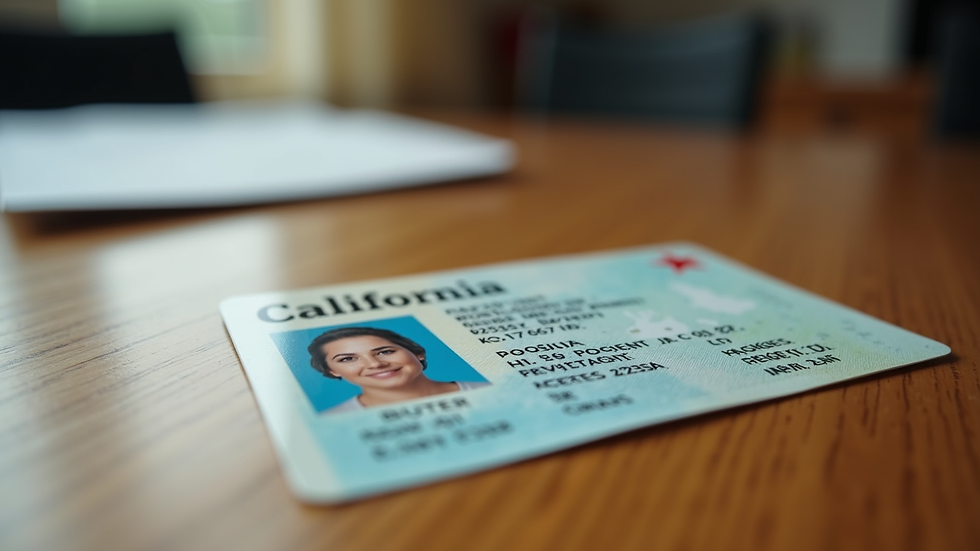
If notarization is needed, the notary will ask for acceptable identification. The signer must usually appear in person before the notary. The notary also confirms that the signer is willing and aware.
The notary then completes the notarial certificate, journal entry, and any required seal or stamp. The document can then move to the next step, such as filing, mailing, delivery, or recording.

How to Choose the Right LDA for California Document Help
The right provider should be careful, transparent, and comfortable explaining the process in plain language. Speed matters, but accuracy matters more.
Look for these qualities:
California LDA Registration
Ask where the LDA is registered and whether they maintain the required bond.
Clear Explanation of Legal Limits
A trustworthy LDA will not pretend to be an attorney or give legal advice.
Experience with the Document Type
Family law, probate, deeds, and civil forms each have different procedures.
Mobile Notary Availability
If signing and notarization are part of the job, mobile service can save time.
Written Fees and Scope
The client should know what is included before the work starts.
Careful Review Habits
Good document assistants check names, dates, attachments, and filing steps.
Practical Communication
The process should be easy to understand without pressure or vague promises.
A low price is not helpful if the packet is incomplete. A good LDA helps reduce preventable errors while staying within the law.
When an Attorney is the Better Choice
An LDA is a strong fit for many routine document preparation needs, but some situations call for legal counsel. Speak with an attorney if:
The other party contests the matter
You do not know which legal option to choose
You need legal strategy
Property rights are unclear
Custody, support, or safety issues are disputed
A large amount of money is involved
Someone is pressuring a signer
You received legal papers and do not understand the risks
A deadline is near and missing it could affect your rights
Using an LDA does not prevent someone from consulting an attorney. In fact, many people benefit from both. An attorney can give advice, and an LDA can help prepare the chosen documents after the client has direction.
The Best Fit for Organized, Convenient Document Support
California legal paperwork rewards careful preparation. Courts, recorders, agencies, and financial institutions expect documents to be complete, signed correctly, and submitted in the right form. An LDA helps with the practical work of preparing those documents. A notary handles the identity and signing formalities required for many important papers. A mobile provider brings those services to the client’s location.
That combination saves time, reduces stress, and helps prevent avoidable mistakes. For self-represented Californians with routine document needs, a mobile notary LDA offers a practical path from paperwork to completed packet, all with clearer steps and fewer errands.
Conclusion
In summary, navigating legal paperwork can be daunting. However, with the assistance of a Legal Document Assistant, the process becomes manageable. They offer essential support, especially when combined with notary services. This ensures that your documents are prepared accurately and efficiently. If you need help with legal documents, consider reaching out to a mobile notary LDA. Their expertise can simplify your experience and provide peace of mind.
For more information, you can visit Dionna Pell Mobile Notary and Document Preparer.

Comments