
California Notary ID Requirements Explained
When you need a notary in California, one of the most important things to understand is the identification requirements. I’ve worked with many clients who were unsure about what forms of ID are acceptable. Knowing these details can save you time and avoid frustration when getting documents notarized. In this post, I’ll explain the California notary ID requirements clearly and simply.
Understanding California Notary ID Requirements
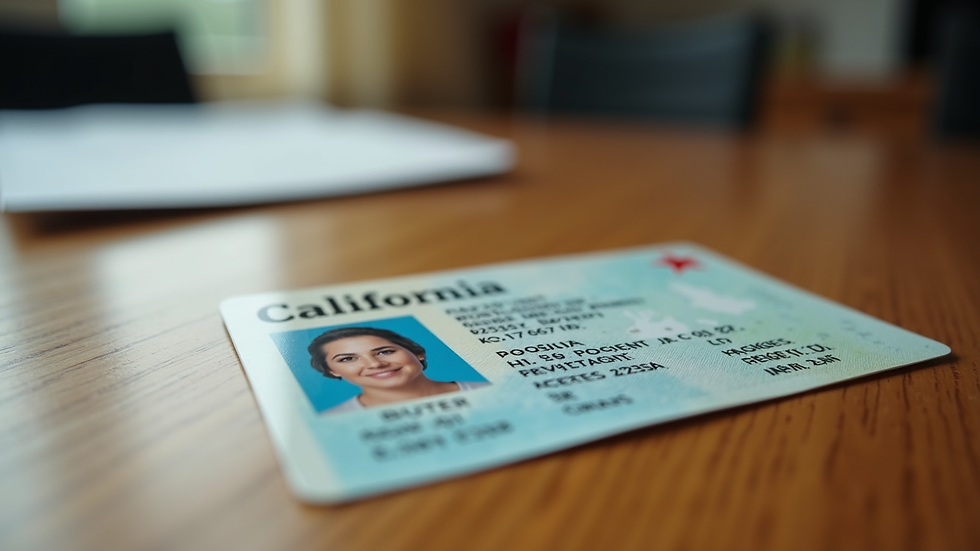
California law requires a notary to verify the identity of the signer before notarizing a document. This is to prevent fraud and ensure the signer is who they claim to be. The notary must examine an identification document that meets specific criteria.
The ID must be:
Issued by a federal or state government agency
Current or issued within the last 5 years
Contain a photograph of the signer
Include a description of the signer (such as height, weight, eye color, or hair color)
Have a serial or identification number
Common examples of acceptable IDs include:
California driver’s license or ID card
U.S. passport or passport card
Military ID card
Permanent resident card (Green Card)
Foreign passport with a valid U.S. visa and I-94 form
If the signer does not have one of these IDs, the notary may refuse to notarize the document. This is why it’s important to bring the right identification when you meet with a notary.

What to Do If You Don’t Have an Acceptable ID
Sometimes, people don’t have a government-issued photo ID. In these cases, California law allows the notary to use a credible witness to identify the signer. The credible witness must:
Personally know the signer
Have valid ID that meets the requirements
Take an oath or affirmation before the notary to confirm the signer’s identity
The notary will then complete a credible witness affidavit and keep a record of the process. This method is less common but can be helpful in special situations.
If you think you might need to use a credible witness, it’s best to discuss this with your notary ahead of time. That way, you can prepare the necessary documents and avoid delays.
How I Verify Identification as a Mobile Notary
As a mobile notary, I meet clients at their homes, offices, or other convenient locations. I always remind clients to have their valid ID ready. When I check the ID, I look for:
The photo to match the person signing
The ID to be current or issued within the last 5 years
The description details to be clear and accurate
The serial number to be visible and legible
If anything seems off, I will ask questions or request a different form of ID. I take this responsibility seriously because notarizing a document incorrectly can cause legal problems.
I also keep a detailed journal of every notarization, including the type of ID used. This record helps protect both the signer and me in case of any future questions.

Tips for a Smooth Notarization Process
To make your notarization go smoothly, here are some practical tips:
Bring the right ID - Check that your ID meets the California requirements before your appointment.
Have your documents ready - Don’t sign anything before the notary is present.
Schedule in advance - Mobile notaries often book appointments, so plan ahead.
Ask questions - If you’re unsure about the ID or process, ask the notary.
Use a credible witness only if necessary - This can complicate the process, so try to have proper ID.
Following these steps will help you avoid common issues and get your documents notarized quickly.
Why Proper ID Matters for Notarization
The main goal of these ID requirements is to protect everyone involved. Notarization is a legal act that confirms the authenticity of signatures. If the signer’s identity is not verified properly, documents can be challenged or invalidated.
By following the notary identification requirements california, you ensure that your documents are legally sound. This is especially important for real estate transactions, powers of attorney, and other critical legal papers.
I always encourage clients to take this seriously. It’s better to be prepared than to face delays or legal complications later.
Getting Help with Notary and Document Preparation
If you need assistance with notarization or legal document preparation, I’m here to help. My goal is to make these processes simple and affordable. Whether you need a mobile notary to come to you or help preparing documents, I bring experience and care to every appointment.
Feel free to reach out if you have questions about ID requirements or any other part of notarization. I want to be your trusted resource for all your notary and document needs.
I hope this explanation of California notary ID requirements helps you feel more confident when you need a notary. Remember to bring the right ID, prepare your documents, and ask questions if you’re unsure. That way, your notarization will go smoothly and securely.


Comments