
Notary ID Requirements in California
When you need a document notarized, one of the most important steps is proving your identity. I’ve worked with many clients who were unsure about what counts as valid identification for a notary in California. Understanding these requirements can save you time and avoid frustration during your appointment.
In this post, I’ll walk you through the key points about notary ID requirements in California. I’ll explain what types of identification are accepted, what to do if you don’t have the usual documents, and how to prepare for your notary visit. My goal is to make this process clear and straightforward for you.
What Are the Notary ID Requirements in California?
California law requires a notary to verify the identity of the person signing a document. This is to prevent fraud and ensure the signer is who they claim to be. The most common way to prove identity is by presenting an acceptable form of identification.
The state of California accepts the following types of ID for notarization:
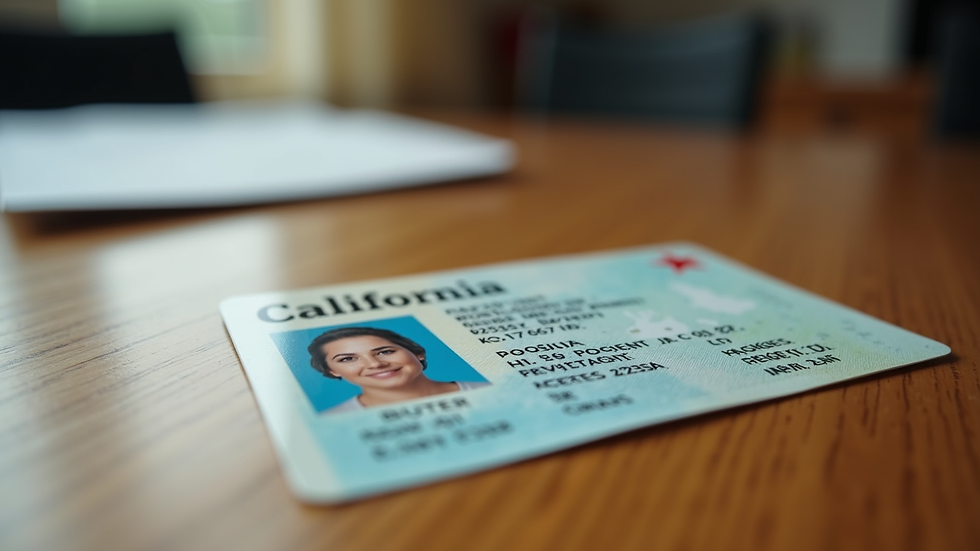
A valid California driver’s license or identification card issued by the Department of Motor Vehicles (DMV)
A valid passport issued by the United States or a foreign government
A valid identification card issued by a federally recognized tribal government
A valid identification card issued by the United States military or a military dependent’s identification card
Each ID must be current or have expired no more than five years before the notarization date. The ID must also contain a photograph, a description of the person, the signature of the person, and an identifying number.
If you bring one of these IDs, the notary can confidently verify your identity and proceed with the notarization.

What If I Don’t Have a Standard Form of ID?
Sometimes, people don’t have a driver’s license or passport handy. In those cases, California law allows the notary to use a credible witness to identify the signer. This is a person who personally knows the signer and is willing to swear to their identity.
Here’s how it works:
The credible witness must present their own valid ID to the notary.
The credible witness must take an oath or affirmation before the notary, stating they know the signer personally.
The credible witness must sign the notary journal as a witness to the identity of the signer.
This method is less common but can be very helpful if you don’t have the usual documents. It’s important to check with your notary ahead of time to make sure they accept credible witnesses.
How to Prepare for Your Notary Appointment
To make your notarization go smoothly, I recommend these simple steps:
Bring your valid ID: Check that your ID meets the California requirements. It should be current or expired within the last five years.
Have your documents ready: Don’t sign your documents before the notary asks you to. The notary needs to witness your signature.
Know your signer’s information: Be ready to provide your full name and address as they appear on your ID.
Ask about fees and services: Mobile notaries may charge travel fees. Confirm the total cost before your appointment.
By preparing in advance, you’ll avoid delays and ensure your documents are notarized correctly the first time.

Why These Requirements Matter
The rules around identification are there to protect you. Notarization is a legal process that helps prevent fraud and forgery. When a notary verifies your identity, they are confirming that you are the person signing the document willingly and knowingly.
If the notary does not follow these rules, the notarization can be challenged or invalidated. This could cause serious problems if the document is important, like a power of attorney, real estate deed, or legal contract.
That’s why I always emphasize the importance of bringing the right ID and working with a trusted notary who understands California’s laws.
Tips for Finding a Reliable Mobile Notary
If you need a notary but can’t visit an office, a mobile notary can come to you. Here are some tips to find a reliable mobile notary:
Check credentials: Make sure the notary is commissioned in California and in good standing.
Read reviews: Look for feedback from previous clients about their professionalism and punctuality.
Ask about experience: A notary familiar with legal documents and identification requirements will make the process easier.
Confirm availability: Mobile notaries often work outside regular business hours, which can be convenient.
Discuss fees upfront: Understand the total cost, including travel and any additional services.
By choosing the right mobile notary, you can have peace of mind that your documents will be handled properly.
Final Thoughts on Notary Identification in California
Understanding the notary identification requirements california helps you prepare for your notarization with confidence. Whether you have a driver’s license, passport, or need to use a credible witness, knowing the rules makes the process smoother.
If you ever feel unsure, don’t hesitate to ask your notary questions before your appointment. Clear communication helps avoid surprises and ensures your documents are notarized correctly.
I’m here to help make notarization simple and reliable. With the right preparation and a trusted notary, you can complete your important documents with ease.


Comments